A Missionary Heart.
This week, I would like to pause and reflect on my role as a believer—to reflect on where I am headed as a member of the family of Faith. I am concerned that we might lose our identity, or simply that we might become frozen in time, merely blending in with the generational group in which we live.
Take heart bro! Rise up! For God is with you. We have a lot of work to do.
By: Pastor Rolfi Lope
This week, I would like to pause and reflect on my role as a believer—to reflect on where I am headed as a member of the family of Faith. I am concerned that we might lose our identity, or simply that we might become frozen in time, merely blending in with the generational group in which we live.
Take heart bro! Rise up! For God is with you. We have a lot of work to do.
To possess "a missionary heart" is a spiritual concept referring to a person's inner disposition to share God's love and message with others—especially with those who do not yet know Him. In the Christian context, missions are often regarded as "the very heart of God," stemming from His desire that all of humanity might come to repentance.
Our compassion must be active. Through the lens of compassion, we perceive the spiritual and physical needs of the multitudes and feel an impulse to help—following Jesus' example as He looked upon people as "sheep without a shepherd."
A missionary heart demonstrates a genuine interest in other cultures and a desire to carry the Gospel beyond one's own borders. A missionary heart is willing to set personal plans aside to follow God's call, trusting fully in His provision.
The missionary heart glorifies Christ and fulfills the work He Himself entrusted to us: to love our neighbor. In a tangible way, this reflects a deep love for people that translates into a fervent desire for their salvation and well-being.
Evangelism is vital to the Church, for it represents the direct fulfillment of Christ's mandate (the Great Commission) and serves as the primary means for both its spiritual and numerical growth. Without evangelism, the Church runs the risk of becoming a closed-off, stagnant community—one that loses its essential purpose of being the "light of the world."
Evangelizing compels the Church to remain constantly focused on the message of salvation—the life, death, and resurrection of Jesus—thereby preventing it from becoming distracted by traditions or secondary programs. The act of sharing one's faith is a spiritual discipline that deepens one's understanding of the Scriptures, mortifies pride, and fosters a greater dependence on God.
God desires that no one should perish; in evangelizing, the church acts in harmony with the divine will to seek and save that which was lost. The local church where God has placed you is the primary vehicle God has chosen to make Himself known in the world and to reconcile people to Himself.
A heart for missions involves sacrifice and risk. Boredom usually lives in the "comfort zone." When a Christian stops seeing their neighbor, coworker, or city as a mission field, they lose their sense of adventure. There is nothing "boring" about being on the front lines of someone’s spiritual transformation.
If missions are the "heart of God," then a Christian who isn't interested in missions is essentially out of sync with God's heartbeat. This creates a spiritual "arrhythmia" where rituals feel empty because the passion for what God loves—people—is missing.
We live in an age of instant gratification. The "slow burn" of prayer, study, and long-term discipleship often feels "boring" compared to the high-speed stimulation of social media. However, deep joy is found in the depths, while boredom lives on the shallow surface.
In the face of such a monumental task, the great question today is: Why am I—or why do I live—so discouraged? Nothing impresses me anymore. Why do I still continue trying to fill that void in my ever-thirsty soul?
It’s a sharp contrast, isn't it? If the Gospel is "Good News" and the Holy Spirit is a source of power, seeing "bored and discouraged" Christians feels like a contradiction.
Often, this happens because many have traded a Missionary Heart for a "Religious Routine." Here are a few reasons why that fire often goes out:
Many Christians today approach church like a movie theater or a gym—they go to "get" something (a good song, a motivational word). When you only consume, you eventually get bored. Joy in the Christian life comes from outflow, not just inflow. Without evangelism or service, the "living water" becomes a stagnant pond.
If we are part of a rescue mission, in our church evangelism should not be seen simply as a task or a special event, but as the very identity of the church. When a congregation loses its outward focus, it tends to turn excessively inward, often leading to internal conflict and spiritual apathy.
"A mission without action is merely an intention. Faith, if it has no work, it is dead."
To possess a heart for missions is to reflect the very heart of God. Every day offers countless opportunities to serve God and to worship Him. When you do so, He will bless you in miraculous ways.
May you continue to seek God’s will, may you trust His Word, and may you place Him where He belongs—at the very center of your life. I know that missions are born in the heart of God and must live within ours!
Are you ready to be His hands and feet today?
Be blessed.
Un Corazón Misionero
En esta semana me gustaría detenerme y reflexionar sobre mi papel como creyente, reflexionar hacia donde me dirijo como miembro de la familia de la Fe. Me preocupa que perdamos nuestra identidad o simplemente que estemos detenidos en el tiempo como uno más del grupo generacional en que vivimos.
Anímate, levántate, que Dios está contigo. Tenemos mucho que hacer.
Tener "un corazón de misiones" es un concepto espiritual que se refiere a la disposición interna de una persona para compartir el amor y el mensaje de Dios con otros, especialmente con aquellos que no lo conocen. En el ámbito cristiano, se considera que las misiones son "el corazón de Dios" debido a su deseo de que toda la humanidad alcance el arrepentimiento.
Nuestra compasión debe ser activa. Los lentes de la compasión ven la necesidad espiritual y física de las multitudes y sienten el impulso de ayudar, siguiendo el ejemplo de Jesús al ver a las personas como "ovejas sin pastor".
Un corazón de misiones muestra un interés genuino por otras culturas y el deseo de llevar el evangelio más allá de las fronteras propias. Un corazón de misiones está dispuesto a poner los planes personales en segundo plano para seguir el llamado de Dios, confiando en su provisión.
El corazón de misiones glorifica a Cristo y completa la obra que Él mismo nos encomendó, que es amar al prójimo, lo cual de manera tangible refleja un amor profundo por las personas que se traduce en un deseo por su salvación y bienestar.
El evangelismo es vital para la iglesia porque es el cumplimiento directo del mandato de Cristo (la Gran Comisión) y el medio principal para su crecimiento espiritual y numérico. Sin evangelismo, la iglesia corre el riesgo de volverse una comunidad cerrada y estancada que pierde su propósito esencial de ser "luz del mundo".
Evangelizar obliga a la iglesia a centrarse constantemente en el mensaje de la salvación (vida, muerte y resurrección de Jesús), evitando que se distraiga en tradiciones o programas secundarios. El acto de compartir la fe es una disciplina espiritual que profundiza el entendimiento de las Escrituras, mata el orgullo y fomenta una mayor dependencia de Dios.
Dios desea que nadie perezca; al evangelizar, la iglesia actúa en sintonía con la voluntad divina de buscar y salvar lo que se había perdido. La iglesia local donde Dios te ha colocado es el vehículo principal que Dios eligió para darse a conocer en el mundo y reconciliar a las personas consigo mismo.
Tener un corazón para las misiones implica sacrificio y riesgo. El aburrimiento suele habitar en la «zona de confort». Cuando un cristiano deja de ver a su vecino, a su compañero de trabajo o a su ciudad como un campo misionero, pierde su sentido de la aventura. No hay nada «aburrido» en estar en la primera línea de la transformación espiritual de alguien.
Si las misiones son el «corazón de Dios», entonces un cristiano que no se interesa por las misiones está, en esencia, desincronizado con el latido del corazón de Dios. Esto genera una «arritmia» espiritual en la que los rituales se sienten vacíos, pues falta la pasión por aquello que Dios ama: las personas.
Vivimos en una era de gratificación instantánea. El «fuego lento» de la oración, el estudio y el discipulado a largo plazo a menudo resulta «aburrido» en comparación con la estimulación vertiginosa de las redes sociales. Sin embargo, el gozo profundo se halla en las profundidades, mientras que el aburrimiento reside en la superficie superficial.
Ante una tarea tan monumental, la gran pregunta de hoy es: ¿Por qué estoy —o por qué vivo— tan desanimado? Ya nada me impresiona. ¿Por qué sigo intentando llenar ese vacío en mi alma, siempre sedienta?
Es un marcado contraste, ¿verdad? Si el Evangelio es «Buenas Nuevas» y el Espíritu Santo es una fuente de poder, ver a cristianos «aburridos y desanimados» parece una contradicción.
A menudo, esto sucede porque muchos han intercambiado un corazón misionero por una «rutina religiosa». He aquí algunas razones por las que ese fuego suele extinguirse:
Muchos cristianos de hoy en día acuden a la iglesia como si fuera una sala de cine o un gimnasio: van para «recibir» algo (una buena canción, una palabra de motivación). Cuando uno solo consume, termina por aburrirse. La alegría en la vida cristiana proviene del dar, no solo del recibir. Sin evangelización ni servicio, el «agua viva» se convierte en un estanque estancado. Pablo dijo a Timoteo: cuídate de ti mismo. Posiblemente sea yo mi propio enemigo.
Si somos parte de una misión de rescate, en nuestra iglesia el evangelismo no debe verse simplemente como una tarea o un evento especial, sino como la identidad misma de la iglesia. Cuando una congregación pierde su enfoque hacia afuera, tiende a enfocarse excesivamente en sí misma, lo que a menudo lleva a conflictos internos y apatía espiritual.
«Una misión sin acción es meramente una intención. La fe, si no tiene obras, está muerta».
Tener un corazón para las misiones es reflejar el propio corazón de Dios. Cada día ofrece innumerables oportunidades para servir a Dios y adorarlo. Al hacerlo, Él te bendecirá de maneras milagrosas.
Que sigas buscando la voluntad de Dios, que confíes en Su Palabra y que lo coloques donde le corresponde: en el centro mismo de tu vida. ¡Sé que las misiones nacen en el corazón de Dios y deben vivir dentro del nuestro!
¿Estás listo para ser Sus manos y Sus pies hoy?
Sé bendecido.
We Proclaim the Good News with Pride.
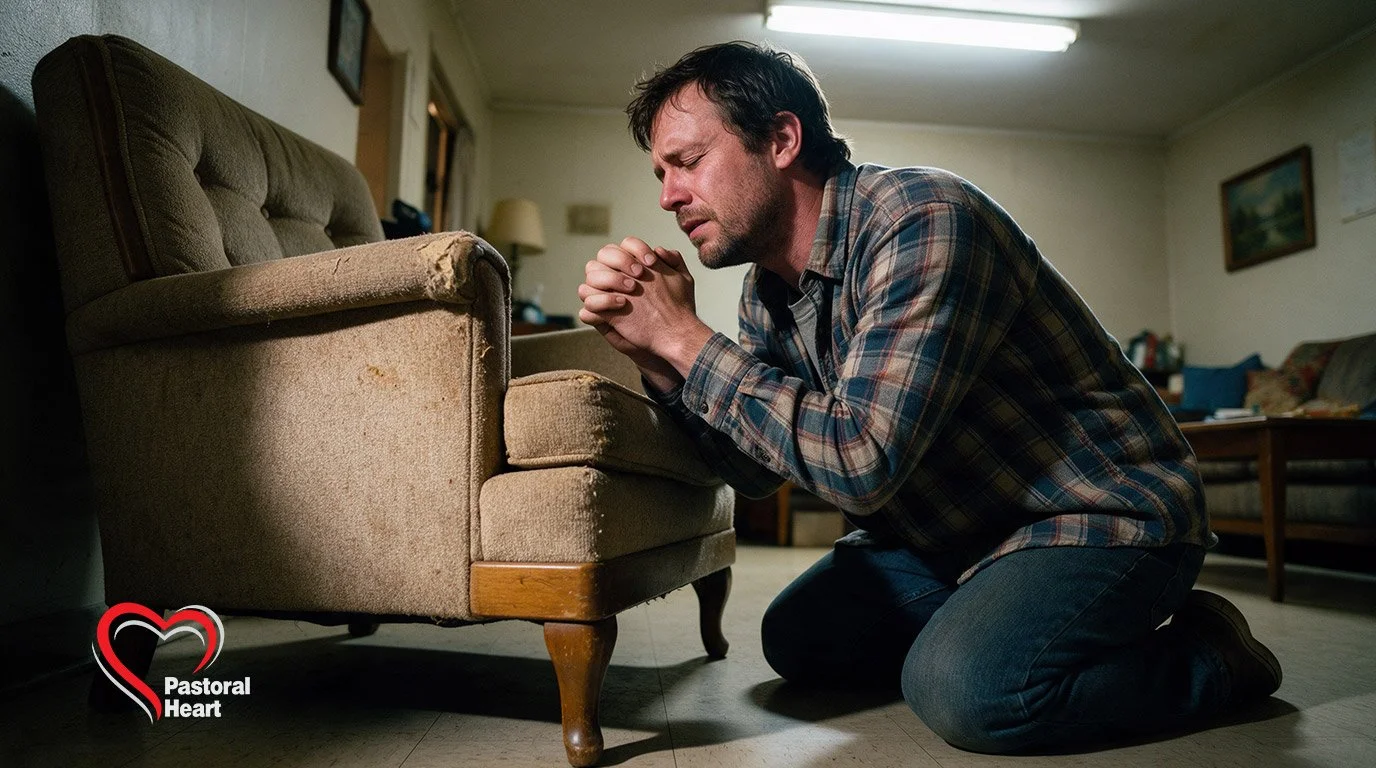
There are many reasons to pray so many, in fact, that sometimes it is best to simply sit in silence and meditate on God’s mercy an infinite mercy, so vast that the Psalmist says His mercy extends from East to West. We must not forget that prayer is communion; prayer is relationship; prayer is communicating with our Creator.
There are many reasons to pray so many, in fact, that sometimes it is best to simply sit in silence and meditate on God’s mercy an infinite mercy, so vast that the Psalmist says His mercy extends from East to West. We must not forget that prayer is communion; prayer is relationship; prayer is communicating with our Creator. We should pray for our troops, who face constant danger; pray for the sick, pray for our homes; and pray for the Church. I am filled with joy to witness what a beautiful experience the Holy Week celebration has been it was deeply moving and beautiful. Thank you, Lord, for allowing us to be part of this spiritual journey, which inspires me to add the following one major prayer request one I wish to set forth in capital letters is to ask the Lord to instill within us a spirit of sharing and proclaiming what God is doing in our lives through our relationship with Christ. To possess the desire to proclaim the Gospel requires a combination of inner spiritual renewal and a practical openness toward others. It is notmerely a duty, but an impulse born out of a personal relationship with God.
The desire to share stems from one’s own lived experience. It is difficult to proclaim something one has not personally experienced. It requires being convinced that the Gospel is indeed “Good News” that transforms lives. Recognizing the grace and forgiveness we have received motivates us to want others to have that very sameopportunity for salvation.
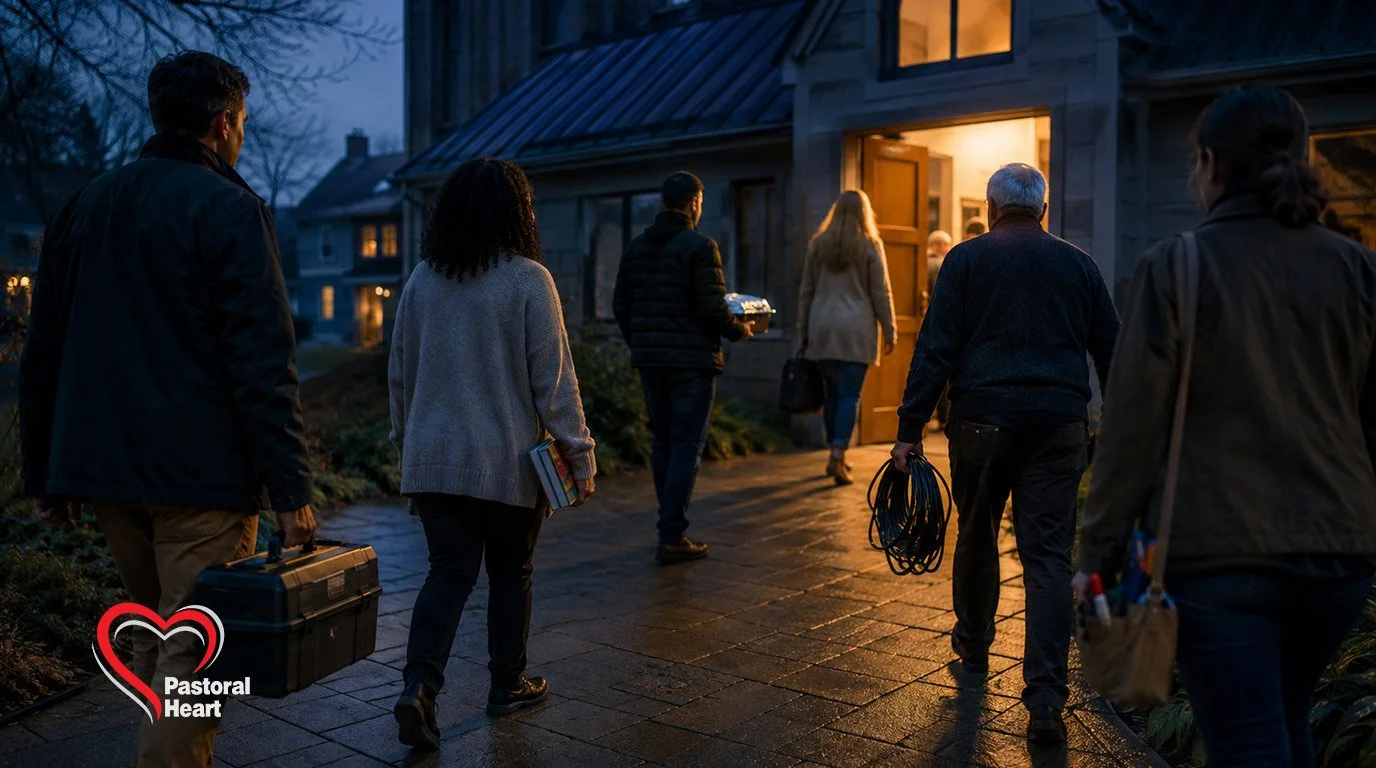
The Holy Spirit is the engine of evangelization. Without His aid, preaching becomes a mere transmission of lifeless ideas. He grants us the courage and the anointing necessary to speak with both authority and love. It is the Holy Spirit who helps us know what to say and when to say it, casting out the spirit of timidity. A revolution of love has already begun within our Church a movement in which, in the name of the Lord, we have resolved to reach out to our community.
To embark upon this task, it is essential to possess a passion for people. Authentic evangelism is a way of loving one’s neighbor by pointing them toward eternal hope by viewing the needs and sufferings of others through the eyes of Christ. To share our faith in a normal and natural way—being sincere about how God blesses us in the moments of everyday life.
Prayer is fundamental. We need to ask God to instill in us both the desire and the ability to act. Therefore, we issue a call to include in your prayer lists a petition for a
spiritual revival one that transcends the four walls of our buildings and enables us to reach our community. Let us pray for those who do not yet know God, asking Him to prepare the soil of their hearts as well as our own. Often, this desire is hindered by obstacles that we must identify and surrender to God: The fear of rejection: We must remember that God has given us power and self- control not timidity. The belief that we lack knowledge: Let me tell you that we do not need to be expert theologians; it is enough to be prepared to give a simple account of the hope that is within us. Matthew 10:7 is a pivotal verse in Jesus commissioning of His twelve apostles. He instructs them: And as you go, preach, saying, The kingdom of heaven is at hand.
The phrase at hand (or has come near in modern translations) implies that the kingdom was not a distant future event, but a present reality inaugurated by the King presence. This is the identical message preached first by John the Baptist and then by Jesus Himself, showing a unified divine plan.
Scholars like John Calvin note that this kingdom was intended to show that restoration comes from God, not man, and is heavenly and eternal rather than merely earthly and political. The Greek word for preach (kerysso) means to act as a public herald. The apostles were not just students; they were official announcers of a coming royal reign. The Greek participle poreuomenoi indicates that the preaching was to happen while they were journeying. It emphasizes an active, outward-focused mission rather than waiting for people to come to them. The message was to be confirmed by signs (healing the sick, casting out demons) to show the authority behind their words.
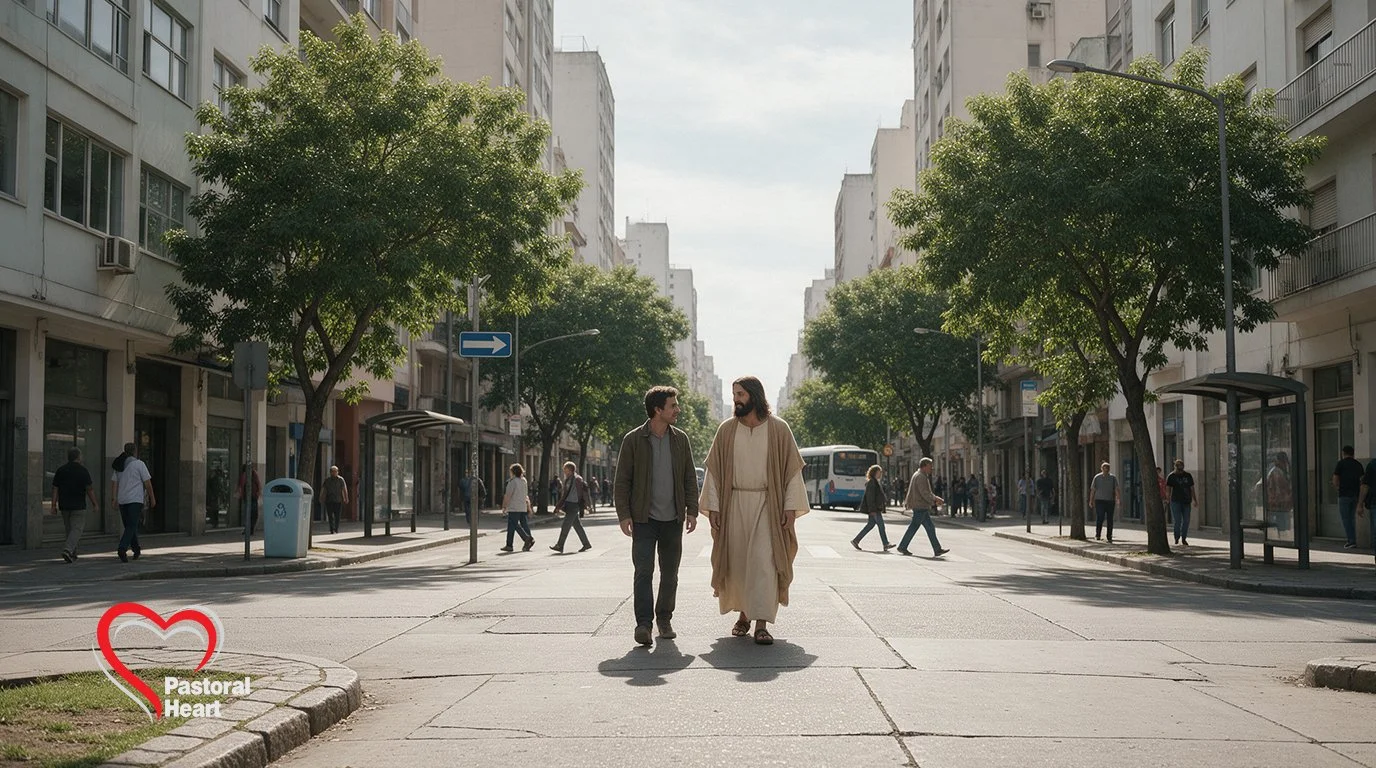
The good news of Jesus Christ should be shouted form the rooftops by believers the world over. But all too often, it is not. For a variety of reasons, many Christians keep their belief to themselves, and when they do, the world suffers because of their failure to speak up. As believer, we are called to share the transforming message of Jesus with our families, with our neighbors, and with the world. Jesus commands us to become fishers of men. And the time to go fishing is now. We must share the good news of Jesus Christ today. Tomorrow may in deep be too late.
The Revolution of Love" has begun at Meadow Hill Reformed a movement centered on loving one another and asking God for a missionary heart to share the Good News of Salvation with pride and without fear, proclaiming His love and His grace. We pray that God may make us faithful servants to Him, now and always. Amen.
Mateo 10:7 “donde quiera que vayan prediquen este mensaje; el reino de los cielos esta cerca”
Hay muchas razones para orar. Tantas, que aveces es mejor sentarce en silencio, y meditaren la misericordia de Dios, misericordia infinita y tan amplia que el salmista dice que su misericordia va de Este a Oeste. No debemos olvidar que orar es communion, orar es relacion orar es comunicarnos con Nuestro creador. Debemos orar por nuestra tropas, que estan en constantes peligros, orar por los enfermos, orar por nuestros hogares, orar por la Iglesia, Estoy lleno de alegria de ver la bonita experiencia que ha sido la celebracion de la semana santa, fue impactante y hermoso, Gracias Senor por permitirnos ser parte de esa vivencia spiritual, lo que me impulse a anadir Una gran peticion de oracion que deseo exponer con letras mayusculas es pedirle al Senor que ponga en nosotros un espiritu de compatir y anunciar lo que Dios esta haciendo en nuestras vidas a travez de nuestra relacion con Cristo. Para tener el deseo de anunciar el Evangelio, se requiere una combinación de renovación espiritual interna y una disposición práctica hacia los demás. No se trata solo de un deber, sino de un impulso que nace de la relación personal con Dios. El deseo de compartir nace de lo que uno mismo ha vivido. Es difícil anunciar algo que no se ha experimentado. Es estar convencido de que el Evangelio es una buena noticia que transforma la vida. Es Reconocer la gracia y el perdón recibidos motiva a querer que otros tengan esa misma oportunidad de salvación.
El Espíritu Santo es el motor de la evangelización. Sin su ayuda, la predicación se vuelve una simple transmisión de ideas sin vida. Él nos da el valor y la unción necesarios para hablar con autoridad y amor. El Espiritu Santo es quien Nos ayuda a saber qué decir y cuándo hacerlo, quitando el espíritu de timidez. Se ha iniciado ya una revolucion de amor en nuestra Iglesia, donde nos hemos propuesto en el nombre del Senor alcanzar nuestra comunidad.
Para iniciar esta tarea se hace necesario Tener "pasión por la gente". El evangelismo auténtico es una forma de amar al prójimo al mostrarle la esperanza eterna. Ver las necesidades y sufrimientos de los demás con los ojos de Cristo. Compartir la fe de manera normal y natural, siendo sinceros sobre cómo Dios nos bendice en los momentos cotidianos.
La oración es fundamental. Necesitamos pedir a Dios que ponga en nosotros el querer como el hacer. Por lo que hacemos un llamado a incluir en la lista de oracion orar porun avivamiento spiritual que trascienda las cuatro paredes y podamos alcanzar a nuestra comunida. Orar por las personas que aún no conocen a Dios para que prepare el terreno del corazón de ellos y el nuestro. A menudo el deseo se ve frenado por obstáculos que debemos identificar y entregar a Dios: El Miedo al rechazo, Recordar que Dios nos ha dado poder y dominio propio, no timidez. Pensamos que temenos Falta de conocimiento, dejame decirte que No necesitamos ser expertos teólogos; basta con estar preparados para dar razón de nuestra esperanza de forma sencilla. Mateo 10:7 es un versículo fundamental en el encargo que Jesús dio a sus doce apóstoles. Él les instruye: «Y al ir, prediquen, diciendo:El reino de los cielos está cerca.
La frase «está cerca» (o «se ha acercado» en las traducciones modernas) implica que el reino no era un acontecimiento de un futuro lejano, sino una realidad presente inaugurada por la presencia del Rey. Este es el mismo mensaje predicado primero por Juan el Bautista y luego por el propio Jesús, lo cual evidencia un plan divino unificado. Eruditos como Juan Calvino señalan que este reino tenía el propósito de demostrar que la restauración proviene de Dios y no del hombre, y que es celestial y eterno, en lugar de ser meramente terrenal y político. La palabra griega para «predicar» (kerysso) significa actuar como un heraldo público. Los apóstoles no eran simples estudiantes; eran anunciadores oficiales de un reinado real venidero.
El participio griego poreuomenoi indica que la predicación debía llevarse a cabo mientras ellos se encontraban en camino. Esto enfatiza una misión activa y orientada hacia el exterior, en lugar de limitarse a esperar que la gente acudiera a ellos. El mensaje debía ser confirmado mediante señales (sanar a los enfermos, expulsar demonios para demostrar la autoridad que respaldaba sus palabras. Las buenas nuevas de Jesucristo deberían ser proclamadas a los cuatro vientos por los creyentes de todo el mundo. Sin embargo, con demasiada frecuencia, esto no sucede. Por diversas razones, muchos cristianos guardan sus creencias para sí mismos; y al hacerlo, el mundo sufre debido a su omisión al no alzar la voz. Como creyentes, estamos llamados a compartir el mensaje transformador de Jesús con nuestras familias, con nuestros vecinos y con el mundo entero. Jesús nos ordena convertirnos en pescadores de hombres. Y el momento de salir a pescar es ahora. Debemos compartir las buenas nuevas de Jesucristo hoy mismo. Mañana, en verdad, podría serdemasiado tarde.
Se ha iniciado en Meadow Hill Reformed La Revolution de amor, que consiste en amarnos unos a otros y pedir a Dios un corazon misionero para compartir las buenas nuevas de Salvacion con Orgullo y sin temor, and let me tell or your love and or your grace. Oramos para que Dios nos haga siervos fieles para Dios ahora y siempre. Amen.
HOLY WEEK 2026
By: Pastor Rolfi Lopez
In the heart of God, reconciliation with humanity plays a central role. God has given us a heart for reconciliation. It is crucial to understand clearly that Jesus died on the Cross to reconcile us with God. If a person fails to grasp this, they will live this life like someone immersed in an unresolved conflict. This week is a week of reconciliation—a week that could be defined as a spiritual week—during which Christ defeated the forces of evil so that I, simply by gazing upon the Cross, might receive forgiveness for my transgressions through His grace. It is a time to step out into the light to be reconciled with the Lord. What I am trying to convey is that God has endowed us with a heart capable of reconciliation. Jesus taught us that reconciliation with our neighbor—with our brother or sister—is not optional; it is a decision that arises automatically, acting as a divine and spiritual law. The Bible affirms this in Matthew 5:23-24 (Reina-Valera 1960):
23 Therefore, if you bring your offering to the altar, and there remember that your brother has something against you, 24 leave your offering there before the altar, and go; first be reconciled to your brother and then come and present your offering.
Whenever a conflict or misunderstanding arises, I ask God these questions before taking any other action:
Did I do anything for which I should apologize? If God answers "yes": What was it that I did, and what must I do to make amends? If God answers "no": Should I do anything about this, and if so, what? How do You view this person? What are they afraid of? What do You want to tell me regarding this situation? What is the enemy attempting to accomplish here?
How should I respond to what You have shown me today?
The spiritual law of reconciliation is born of forgiveness. Reconciliation and forgiveness are the central objective of God's plan of salvation through His Son, Jesus Christ. Just like Christ, we have often been falsely accused—by both friends and enemies alike. My friends have spoken about me behind my back (and they think I don't know). I have had friends who, while going through a difficult time, blamed me for how they feel. I have had friends who have stopped responding to my Facebook messages, my text messages, or my calls. I have known people who claim that nothing is wrong yet stop making an effort to spend time with me. I have had people post criticisms on my Facebook wall, only to refuse my request to discuss the matter over the phone or in person.
Does any of this sound familiar to you?
Although this does not take me by surprise—considering that the Enemy seeks to sow division in relationships, it still bothers me. It aches in my heart in a way that leaves me saddened, both for their sake and for my own. I want to rush to fix things. I want the opportunity to offer an apology, should one be necessary. I want to be understood. I want reconciliation. The Enemy wants to discourage me (and discourage you) so that I do not take the initiative to reach out.
For if we reach out and reconcile with one another, then the Enemy loses ground. He wants to keep us judging one another, for that is precisely where we are most vulnerable to his ideas.
They sound like this: That person always seems to have drama in their life—and you don't need that. That person has been in this situation for a long time, so it must be something God is working through in their life. What are we really saying when we gossip, slander, fail to return calls, and leave conflicts unresolved? We are saying: "You aren't worth the effort."
We claim we are setting boundaries when we are building walls. We must love one another, for every single person held incalculable value in the eyes of Jesus. This is Reconciliation Week; therefore, I implore you to find the courage to take the initiative—pick up the phone or meet in person. Perhaps it isn't a full-blown conflict yet, but simply a difficult conversation you need to have. Be that son or daughter of God who takes the lead and acts proactively. Do not break a commitment, express your displeasure, or cast blame or issue challenges via email. Nor via text message. Nor through Facebook. When you leave a note in that manner, you leave the other person in limbo until the matter can be resolved.
To achieve a successful reconciliation: Ask God what He sees. God might show you that the other person is suffering and that, as a result, they are behaving strangely—perhaps appearing depressed, irritable, or even overly cheerful. Or He might reveal something unpleasant about the way you are reacting. Ask God what He wants you to say. This always surprises me. When I rely solely on my own ideas, I fall short and fail to handle the situation in a way that leads to a resolution. God knows what lies within the other person's heart. His ideas are always the best, and they never fail.
Ask God if He will show you what purpose this situation serves in your life. God might reveal to you that this is an area in which He desires to help you grow, so that He may entrust you with greater responsibilities.
Please: Do not let too much time pass before making contact or responding. We are never too busy to set aside a moment to talk. You may not be able to meet immediately, but you can certainly respond in a timely manner.
Let them hear your voice and perceive your tone by calling them on the phone or meeting with them in person. Have you ever heard that body language communicates more than words themselves? Most conflicts can be resolved when a gentle tone and a genuine willingness to listen are offered. If you cannot do so in person, do it at least by phone. Take the time to listen and respond, rather than simply react. Ask plenty of questions, such as: "What I understand you to be telling me is... is that correct?" or "What can I do to improve this situation?" Avoid lengthy lectures and unsolicited advice. Need I add that you should not do this via email? Share how the situation has made you feel or act. Take responsibility for your own reactions; do not blame the other person for your feelings, your circumstances, or the way you have responded (that is your business, not theirs). Do not dictate to them that they must do for you to feel good. By sharing how the situation affected you, they will automatically grasp the idea of not doing it again. And if they don't, well, that is God's business. Love them in the way they wish to be loved, rather than in the way that is most comfortable for you. Philippians 2:4 tells us: "Consider others as superior to yourselves." This means approaching... Approach reconciliation in a way that ensures they are the ones who feel loved.
Offer complete forgiveness, making sure the other person knows that everything is truly alright going beyond merely saying "I’m sorry" or "You are forgiven." Humility heals far more effectively than winning an argument. Do your very best and then walk in peace: "As far as it depends on you, live at peace with everyone." Sometimes, you are the one who must take the first step, or the one who must refrain from having the last word. Keep the conversation private. Do not share the details of the conflict—or its resolution—with anyone else without the other person's permission.
Rejoice! Praise God for the way He worked within you and through you. The Enemy does not want to hear that you maintained your joy throughout this process. The Week of Reconciliation is a week of joy, held in the firm hope that we are Children of God, reconciled in Him through Christ, His beloved Son.
Reconciliation is a gift; for without it, I would be managing conflicts relying solely on my own strength—or simply avoiding them altogether. And since every gift carry with it a responsibility, I also know that I have been called to steward this gift with diligence.
It is a burden I carry in my heart; therefore, matters left unreconciled will likely continue to trouble me. The very moment they cease to trouble me; I will know that I have lost my way. I carry the Gospel of Peace. I am the feet that bring the Good News. I long to see the broken restored. I hold the ministry of reconciliation. And so do you...
I have designated Holy Week as the "Week of Reconciliation" in our Church because it commemorates Christ’s supreme sacrifice to mend the broken relationship between humanity and God. Through the events of Passion Week, we are called to turn away from sin, receive mercy, and find healing—restoring our relationships with our families, our brothers and sisters in Christ (our family of faith), and with God, through repentance, confession, and the promise of the Resurrection. We call this the Week of Reconciliation because, during it, we commemorate the supreme act of love—centered on the Death of Jesus—viewed as the ultimate sacrifice offered to reconcile the world with God by providing the forgiveness of sins for all of humanity.
It is a time for repentance, a time to return to the path and receive mercy. It is a week to reflect deeply within our spirits so that we may be renewed and restored; it is time to return to Faith and continue, together, this journey that began on Palm Sunday. This journey encompasses crucial moments such as the betrayal on Spy Wednesday, the humility of the Last Supper on Holy Thursday, and the entry into the final stretch—moving from the sorrow of Good Friday to the joy of Easter Sunday—a journey of love, brokenness, and resurrection, restoring our relationship with God in Faith and Hope. Dear brothers and sisters, the occasion is ripe; this is the appointed time to experience a complete transformation—to become a "new creation."
Reconciliation with God is often regarded as a gift from God—one that human beings must choose to accept. In other words, it is up to you. Blessings.
En El Corazón de Dios la reconciliación con la humanidad juega un papel principal. Dios nos ha dado un Corazón de reconciliación. Es importante tener bien claro que Jesús murió en la Cruz para reconciliarnos con Dios. Mientras el hombre no entienda eso vivirá esta vida como quien se la pasa inmerso en un conflicto sin resolver. Esta semana es una semana de reconciliación lo que podría definirla como una semana espiritual, donde Cristo derroto las fuerzas del mal para que yo pudiera con solo mirar la cruz recibir el perdón de mis transgresiones por su gracia. es momento de salir a la luz para poder ser reconciliado con el Señor. Lo que trato de decir es que Dios nos ha dado un corazón capacitado para la reconciliación. Jesús nos enseno que la reconciliación con mi Vecino, con mi Hermano no es voluntaria, es una decisión que surge de manera automática como una ley divina y spiritual. La biblia así lo dice en Mateo 5:23-24; Reina-Valera 1960
23 Por tanto, si traes tu ofrenda al altar, y allí te acuerdas de que tu hermano tiene algo contra ti, 24 deja allí tu ofrenda delante del altar, y anda, reconcíliate primero con tu hermano, y entonces ven y presenta tu ofrenda.
Cuando surge un conflicto o un malentendido, le hago a Dios estas preguntas antes de emprender cualquier otra acción:
¿Hice algo por lo que deba pedir disculpas? Si Dios responde «sí»: ¿Qué fue lo que hice y qué debo hacer para enmendarlo? Si Dios responde «no»: ¿Debo hacer algo al respecto y, de ser así, ¿qué? ¿Cómo ves Tú a esta persona? ¿A qué le tiene miedo? ¿Qué quieres decirme acerca de esta situación? ¿Qué es lo que el enemigo está intentando hacer aquí?
¿Cómo debo responder a lo que me has mostrado hoy?
La ley spiritual de la reconciliación nace del perdón. Reconciliación y perdón son el objetivo central del plan de Salvación de Dios a través de su hijo Jesucristo. Así como Cristo, muchas veces hemos sido acusado falsamente, tanto por amigos como por enemigos. Mis amigos han hablado de mí a mis espaldas (y creen que no lo sé). He tenido amigos que, al estar pasando por una dificultad, me han culpado a mí por cómo se sienten. He tenido amigos que han dejado de responder a mis mensajes de Facebook, a mis mensajes de texto o a mis llamadas. He conocido personas que dicen que no ocurre nada malo, pero dejan de intentar pasar tiempo conmigo. He tenido personas que publican críticas en mi muro de Facebook, pero se niegan a responder a mi petición de hablar sobre el asunto por teléfono o en persona.
¿Te resulta familiar algo de esto?
Aunque esto no me toma por sorpresa —considerando que el enemigo busca dividir las relaciones, aun así, me molesta. Me duele el corazón de una manera que me entristece, tanto por ellos como por mí. Quiero apresurarme a arreglar las cosas. Quiero tener la oportunidad de pedir disculpas, si fuera necesario. Quiero ser comprendido. Quiero la reconciliación. El enemigo quiere desanimarme (y desanimarte a ti) para que no tome la iniciativa de acercarme.
Porque si nos acercamos y nos reconciliamos unos con otros, entonces el enemigo pierde terreno. Él quiere mantenernos juzgándonos mutuamente, pues es ahí donde somos más vulnerables a sus ideas. Estas suenan así:
Esa persona siempre tiene dramas en su vida, y tú no necesitas eso. Esa persona lleva mucho tiempo en esa situación, así que debe ser algo con lo que Dios está tratando en su vida. ¿Qué estamos diciendo realmente cuando chismeamos, calumniamos, no devolvemos las llamadas y dejamos los conflictos sin resolver? Estamos diciendo: «Tú no vales la pena».
Decimos que estamos estableciendo límites cuando, en realidad, estamos construyendo muros. Debemos amarnos unos a otros, porque cada persona tuvo un valor incalculable para Jesús. Esta es la semana de la reconciliación, así que te implore a que tengas animo a tomar la iniciativa, toma el teléfono o has un encuentro en persona. Tal vez aún no sea un conflicto, sino simplemente una conversación difícil que necesitas tener. Sé tú ese hijo o hija de Dios que toma la iniciativa y actúa de manera proactiva. No rompas un compromiso, no expreses tu descontento, no culpes ni desafíes a nadie por correo electrónico. Ni por mensaje de texto. Ni a través de Facebook. Cuando dejas una nota de esa manera, dejas a la otra persona en la incertidumbre hasta que el asunto pueda resolverse.
para lograr una buena reconciliación: Pregúntale a Dios qué es lo que Él ve. Dios podría mostrarte que esa persona está sufriendo y que, por eso, se comporta de manera extraña, deprimida, irritante o incluso excesivamente alegre. O tal vez te muestre algo desagradable sobre la forma en que tú estás reaccionando. Pregúntale a Dios qué quiere que digas. Esto siempre me sorprende. Cuando me dejo llevar por mis propias ideas, me quedo corto y no logro manejar la situación de una manera que conduzca a una solución. Dios sabe lo que hay en el corazón de la otra persona. Sus ideas son siempre las mejores y nunca fallan.
Pregúntale a Dios si te mostrará qué propósito tiene esto en tu vida. Dios podría revelarte que esta es un área en la que Él desea hacerte crecer, para así poder confiarte mayores responsabilidades.
Por favor No dejes pasar mucho tiempo antes de establecer contacto o responder. Nunca estamos demasiado ocupados como para no reservar un momento para hablar. Tal vez no puedas reunirte de inmediato, pero sí puedes responder de manera oportuna.
Permíteles escuchar tu voz y percibir tu tono llamándolos por teléfono o reuniéndote con ellos en persona. ¿Alguna vez has escuchado que el lenguaje corporal comunica más que las palabras mismas? La mayoría de los conflictos pueden resolverse cuando se ofrece un tono amable y una disposición genuina para escuchar. Si no puedes hacerlo en persona, hazlo al menos por teléfono. Tómate el tiempo para escuchar y responder, en lugar de simplemente reaccionar. Formula muchas preguntas, tales como: «Lo que entiendo que me estás diciendo es... ¿es eso correcto?» o «¿Qué puedo hacer para mejorar esta situación?»». Evita los sermones extensos y los consejos no solicitados. ¿Es necesario que añada que no debes hacerlo por correo electrónico? Comparte cómo te ha hecho sentir o actuar la situación. Asume la responsabilidad de tus propias reacciones y no culpes a la otra persona por tus sentimientos, por tus circunstancias ni por la forma en que has respondido (eso es asunto tuyo, no de ellos). No les dictes lo que deben hacer para que tú te sientas bien. Al compartir cómo te afectó la situación, ellos captarán automáticamente la idea de no volver a hacerlo. Y si no lo hacen, eso ya es asunto de Dios. Ámalos de la manera en que ellos desearían ser amados, y no de la forma que te resulte más cómoda a ti. Filipenses 2:4 nos dice: «Consideren a los demás como superiores a ustedes mismos». Esto significa abordar la reconciliación de una manera que haga que SEAN ELLOS quienes se sientan amados. Ofrece un perdón total, asegurándote de que la otra persona sepa que todo está bien, y no solo diciendo «lo siento» o «estás perdonado». La humildad sana mucho más que ganar un debate. Haz tu mejor esfuerzo y luego camina en paz: «En cuanto dependa de ti, vive en paz con todos». A veces, eres tú quien debe dar el primer paso o quien debe abstenerse de tener la última palabra. Mantén la conversación en privado. No compartas los detalles del conflicto ni de su resolución con nadie más sin el permiso de la otra persona.
Alégrate. Alaba a Dios por la manera en que Él obró en ti y a través de ti. El enemigo no desea escuchar que mantuviste la alegría durante este proceso. La semana de reconciliación es una semana de alegría con la Esperanza firme de que somos Hijos de Dios reconciliados en El por Cristo su hijo amado.
La reconciliación es un regalo, pues sin ella, yo estaría gestionando los conflictos basándome únicamente en mis propias fuerzas, o simplemente no los abordaría en absoluto. Y dado que todo regalo conlleva una responsabilidad, sé también que he sido llamado a administrarlo con diligencia.
Es una carga que llevo en el corazón; por ello, los asuntos que queden sin reconciliar probablemente seguirán inquietándome. En el preciso instante en que dejen de inquietarme, sabré que he perdido el rumbo. Llevo el evangelio de la paz. Soy los pies que traen las Buenas Nuevas. Anhelo ver a los quebrantados restaurados. Tengo el ministerio de la reconciliación. Y tú también lo tienes…
He llamado a la Semana Santa la semana de la reconciliación en nuestra Iglesia porque conmemora el sacrificio supremo de Cristo para reparar la relación quebrantada entre la humanidad y Dios. A través de los acontecimientos de la Semana de la Pasión, estamos llamados a apartarnos del pecado, recibir misericordia y hallar sanación, restaurando su relación con su familia, su Hermano en Cristo o familia de la Fe y con Dios mediante el arrepentimiento, la confesión y la promesa de la Resurrección. La llamamos de reconciliación porque en ella recordamos al acto de amor más alto centrado en la Muerte de Jesús vista como el sacrificio supremo realizado para reconciliar al mundo con Dios ofreciendo el perdón de los pecados para toda la humanidad.
Es un tiempo para el arrepentimiento, un tiempo para Volver al camino y recibir misericordia.
Semana para reflexionar en lo más profundo de Nuestro Espíritu para ser renovados y restaurados, es Tiempo de Volver a la Fe y continuar juntos este viaje que se inició con el Domingo de Ramos e incluye momentos clave como la traición del Miércoles de Espías, la humildad de la Última Cena el Jueves Santo y entrando al trayecto final que va desde el dolor del Viernes Santo hasta la alegría del Domingo de Pascua, un viaje de amor, quebrantamiento y resurrección, restaurando nuestra relación con Dios en Fe y Esperanza. Queridos hermanos es propicia la ocasión es el tiempo indicado para Experimentar una transformación completa como una «nueva creación».
La reconciliación con Dios se considera a menudo un don de Dios que los seres humanos deben elegir aceptar. En otras palabras, depende de ti. Bendiciones.
Praying With The Heart.
By: Pastor. Rolfi Lopez
We are living through very tense and difficult days when anxiety and stress weigh heavier than the soul itself. Our weary heart seeks a truce; and although we wish to be strong, we are overcome, our fervor fading as our vigilance grows drowsy. We know and are familiar with the Scriptures; they tell us that the Lord has not given us a spirit of cowardice, but rather one of power, of love, and of self-control.
Then, like an echo, the voice of Christ in Gethsemane resounds: “Watch and pray, lest you fall into temptation.” In that silent garden, while the Son sweated blood, His closest friends fell asleep. They were not bad men. They were simply tired. Like you. Like me.
According to the Bible, a weary heart is not despised by God; rather, it becomes the object of His closeness, His comfort, and His rest. Scripture invites those who are exhausted and heavy-laden to come to Jesus to find relief and renewed strength, promising spiritual and emotional renewal in the face of life’s exhaustion.
Today, Gethsemane is not merely a distant olive grove. It is the home where we live, the workplace where hope grows dim, the city that seems crushed by news that tears us apart. It is the innermost sanctuary of the soul, where God asks us to remain awake. And sleep—that comfortable, tepid, distracted slumber—stalks us with persistence.
What does it mean not to fall asleep today? First and foremost, it means keeping the heart sensitive. Spiritual slumber begins when I cease allowing myself to be moved. Gethsemane is filled with silent sufferings. If I close my eyes, I will fail to see the one who needs a word of encouragement, the one asking for patience, the one waiting for a phone call. To remain awake is to preserve one’s tenderness.
It also means not allowing simple prayer to be extinguished. Sometimes we believe that prayer consists of uttering beautiful words. But in Gethsemane, Jesus simply voices that which causes Him pain and surrenders it to the Father. “Keeping Watch”
Perhaps you have been unable to resist the temptation of “tomorrow”—tomorrow I will pray, tomorrow I will resume the path back to church, tomorrow I will forgive. Happiness never arrives “tomorrow”; it arrives in the now of our lives. It is time to restart the journey; the hour has come when we must rise and walk alongside Christ—who continues to suffer in agony in every lonely brother, in every broken family, in every prison, in every hospital, and in every forgotten elderly person. To keep watch with Him is to draw near to those places where love seems to have departed.
We are living through wearying days. Information overwhelms us, obligations suffocate us, and comparisons rob us of our peace. It is easy to drift into slumber. But perhaps today, Christ makes a humble request of us: that we not flee from the garden where He has placed us. That we do not fall asleep precisely when an awakened heart is needed most. To awaken is not to accomplish great deeds. To awaken is to love. To awaken is to remain. To awaken is to say, every morning: “Here I am, Lord. I do not want to fall asleep. I will keep watch with You.” And perhaps, as we keep watch—however clumsily—we may discover that it is not we who are keeping Christ company... but rather Christ who is sustaining us so that we do not fall. The Scriptures tell us that those who wait upon the Lord—even if they feel weary—will receive new strength; they will “mount up with wings like eagles” and press onward without fainting. Philippians 4:6–7 suggests presenting our anxieties in prayer, thereby receiving the peace of God that guards our hearts and minds. Are you tired? Welcome to the company of weary men and women; if this describes you, remember that in Jesus, there is rest for our souls. Amen.
Estamos viviendo días muy tensos y difíciles, momentos en que la ansiedad y el estrés pesan más que el Alma. Nuestro corazón cansado busca tregua, y aunque quisiéramos ser fuerte somos vencidos apagándose el fervor con una vigilancia adormecida. Sabemos y conocemos las escrituras ellas nos dicen que El Señor no nos ha dado un espíritu de cobardía sino de poder, de amor y domino propio.
Entonces resuena, como un eco, la voz de Cristo en Getsemaní: “Velad y orad, para no caer en tentación.” En aquel huerto silencioso, mientras el Hijo sudaba sangre, los amigos más cercanos se dormían. No eran malos. Solo estaban cansados. Como tú. Como yo.
Según la Biblia, un corazón cansado no es despreciado por Dios, sino que es objeto de su cercanía, consuelo y descanso. La Escritura invita a quienes están exhaustos y cargados a acudir a Jesús para hallar alivio y nuevas fuerzas, prometiendo renovación espiritual y emocional frente al agotamiento de la vida.
Hoy, el Getsemaní no es un olivar lejano. Es la casa donde vivimos, el lugar de trabajo donde se nubla la esperanza, la ciudad que parece triturada por noticias que desgarran. Es la intimidad del alma donde Dios nos pide estar despiertos. Y el sueño —ese sueño cómodo, tibio, distraído— nos ronda con insistencia.
¿Qué significa no quedarme dormido hoy? En primer lugar, mantener el corazón sensible. El sueño espiritual empieza cuando dejo de dejarme conmover. Getsemaní está lleno de sufrimientos callados. Si cierro los ojos, no veré al que necesita una palabra, al que pide paciencia, al que espera una llamada. Mantenerme despierto es conservar la ternura.
También no dejar apagar la oración sencilla. A veces creemos que orar es decir cosas hermosas. Pero en Getsemaní, Jesús solo repite lo que duele y lo entrega al Padre. “Velar”
Quizás no has podido resistir la tentación del mañana, mañana oro, mañana retomo el camino de volver a la iglesia, mañana perdono. La felicidad nunca llega mana, llega en el ahora de nuestra vida. Es hora de reiniciar al camino, la hora ha llegado donde tenemos levantarnos a caminar junto a Cristo que continúa en agonía en cada hermano solo, en cada familia rota, en cada cárcel, en cada hospital, en cada anciano olvidado. Velar con Él es acercarnos a esos lugares donde el amor parece haberse ido.
Vivimos días que cansan. La información abruma, las obligaciones nos ahogan, las comparaciones nos roban la paz. Es fácil adormecerse. Pero quizás hoy Cristo nos hace una petición humilde: que no huyamos del huerto donde Él nos ha puesto. Que no durmamos justo cuando más falta hace un corazón despierto. Despertar no es hacer grandes cosas. Despertar es amar. Despertar es permanecer. Despertar es decir cada mañana: “Aquí estoy, Señor. No quiero quedarme dormido. Velaré Contigo.” Y quizá, mientras velamos, aunque sea torpemente, descubramos que no somos nosotros quienes acompañamos a Cristo… sino Cristo quien nos sostiene a nosotros para que no caigamos. Las escrituras nos dicen que Aquellos que esperan en Jehová, aunque se sientan fatigados, recibirán nuevas fuerzas, "levantarán alas como las águilas" y seguirán adelante sin desmayar. Filipenses 4:6-7 sugiere presentar la angustia en oración, recibiendo la paz de Dios que cuida el corazón y la mente. ¿Estas cansado? bienvenido al grupo de hombres y mujeres cansados, si este es tu caso recuerda que en Jesús hay descanso para nuestras almas. Amen.
Hey, Let’s Love One Another.
A sincere friendship is the most valuable thing we can find in this life. The reality is that, in the world we live in today, being a true friend has become a very difficult challenge to achieve. You have a friend in the Church. A Church after God’s own heart is one that practically cultivates friendship—starting with love, sincerity, and commitment toward one another. Nowadays, friendships are short-lived; people prefer to live in isolation, we stop speaking to one another, and so on. But a true friendship lasts forever.
Loving one another is fundamental; love is the debt we must pay along the journey of faith. He taught His disciples, He loved them, He served them (as when He washed their feet), He corrected them, He exhorted them, He encouraged them, and He gave His life for them (John 15:13)—and He did it all without expecting anything in return: an unconditional love. And even when His friends and disciples betrayed Him (after promising they would always stand by Him) and denied Him, instead of reproaching them for it and never speaking to them again, what He did was restore fellowship with them by asking if they loved Him (John 21:15-17).
Jesus left us yet another example: to love those who are not our friends (Matthew 5:43- 48)—to love our enemies. It says: “Love your enemies, bless those who curse you, do good to those who hate you, and pray for those who mistreat and persecute you... For if you love those who love you, what reward will you have? Do not even the tax collectors do the same? And if you greet only your brothers, what are you doing more than others? Do not even the Gentiles do so?” Friendship goes far beyond anything we can imagine. Can you see it? It is not merely about loving the people who are our friends or those we happen to know—no, it goes far beyond that. His love was so great that He loved and saved even His enemies. We were His enemies (Colossians 1:21), and yet He went to the cross to save and rescue us, so that we might now be reconciled with Him. What magnificent love! That is the essence of true friendship and unconditional love. On our own, we cannot be true friends, for our hearts are deceitful (Jeremiah 17:9); no one does what is good (Romans 3:10–11), and the thoughts of our hearts are continually evil (Genesis 6:5). But God has provided His Spirit so that we may bear the fruit of love toward others (Galatians 5:22)—so that, just as Christ loved and forgave us, we may do the same.
I would like to conclude with the following verse: “By this all will know that you are My disciples, if you have love for one another.” John 13:35. WHO’S THE BEST FRIEN THIS WSORLD HAS EVER HAD? Jesus, of course! When you invite him into your heart, Jesus will be your friend, too… your friend forever. If you make mistakes, he’ll still be your friend. If you behave badly, he still loves you. If you feel sorry or sad, he can help you feel better. That I what we want in our church. Like Jesus we want to see you happy healthy. Let us be generous and kind, you can do and with a friend like Jesus, you will.
“The dearest friend on earth is but a mere shadow compared with Jesus Christ”. Oswald Chambers
Una Amistad sincera es lo mas valioso que Podemos encontrar en esta vida. La realidad es que en este mundo en que vivimos ser amigo se ha convertido en un desafio muy dificil de obtener. Tienes un amigo en la Iglesia. Una Iglesia de acuerdo al corazon de Dios es una Iglesia que de manera practica cultiva una Amistad comenzando con el amor, sinceridad, y compromise hacia la otra persona. Hoy dia las amistades duran poco, las personas prefieren vivir aisladas, nos dejamos de hablar etc. una Amistad verdadera es para siempre.
Amarnos es lo fundamental, amar es la deuda que debemos pagar en al camino de laFe. Él enseñaba a sus discípulos, los amaba, les servía (como cuando le lavó sus pies), los corregía, los exhortaba, los animaba, dio su vida por ellos (Juan 15:13) y lo hacía sin esperar nada a cambio, un amor incondicional. Y aún cuando sus amigos y discípulos lo traicionaron (después de prometer que siempre iban a estar con Él), y lo negaron, en vez de reclamarles eso y ya nunca hablarles, lo que hizo fue restaurar la comunión con ellos preguntando si lo amaban (Juan 21:15-17).
Jesús nos dejó un ejemplo más, que es amar a las personas con las que no son nuestros amigos (Mateo 5:43-48), amar a nuestros enemigos dice: “Amad a vuestros enemigos, bendecid a los que os maldicen, haced bien a los que os aborrecen, y orad por los que os ultrajan y os persiguen (…) Porque si amáis a los que os aman, ¿qué recompensa tendréis? ¿No hacen también lo mismo los publicanos? Y si saludáis a vuestros hermanos solamente, ¿qué hacéis de más? ¿No hacen también así los gentiles?” Una amistad va más allá de lo que nos imaginamos. ¿Puedes verlo? No nada más es amar a las personas que son nuestros amigos o las personas que conozcamos, no, va más allá de es, su amor fue más grande, que aún a sus enemigos amó y salvó. Nosotros éramos sus enemigos (Colosenses 1:21) y aún así fue a la cruz a salvarnos y rescatarnos para que ahora fuéramos reconciliados con Él. ¡Qué amor más grande!Eso es lo que es una verdadera amistad y amor incondicional. Solos no podemos ser amigos verdaderos, porque nuestro corazón es perverso (Jeremías 17:9), nadie hace lo bueno (Romanos 3:10,11) y porque los designios de nuestro corazón son de continuo en mal (Génesis 6:5). Pero Dios ha provisto de su Espíritu para que podamos tener fruto de amor hacia otros (Gálatas 5:22), para que dela manera en que Cristo nos amó y perdonó, así lo hagamos también nosotros.
Quiero terminar con el siguiente versículo: “En esto conocerán todos que son Mis discípulos, si se tienen amor los unos a los otros.” Juan 13:35. ¿Quién es el mejor amigo que este mundo ha tenido jamás? ¡Jesús, por supuesto! Cuando lo invitas a tu corazón, Jesús se convierte también en tu amigo... tu amigo para siempre. Si cometes errores, él seguirá siendo tu amigo. Si te portas mal, él te sigue amando. Si te sientes apenado o triste, él puede ayudarte a sentirte mejor. Eso es loque deseamos en nuestra iglesia. Al igual que Jesús, queremos verte feliz y saludable. Permítenos ser generosos y amables; tú puedes lograrlo y, con un amigo como Jesús, lo harás.
«El amigo más querido en la tierra no es más que una simple sombra en comparación con Jesucristo». Oswald Chambers
Seeking God's guidance.
The world today is attacked by two great phenomena that corrode the soul and heart of people: disorientation and fear. In an age where information travels every second, we find ourselves engulfed in a constant barrage of opinions that only serve to further confuse people's minds. The Bible says in Psalm 91:1, "He who dwells in the shelter of the Highest will abide in the shadow of the Almighty”. Who provides your shelter? Many philosophies, many confessions, many denominations, much knowledge, and much information surround us, leading many to ask, "Am I on the right path?" Others say the important thing is to walk one's own path; all paths lead to God, says the great sage. Disorientation deepens when these human ideas or knowledge do not have God as their habitual refuge, do not recognize God as our caretaker and protector, do not declare God as the sole source of wisdom, and do not consider God's promises to be faithful and true. Disorientation is what produces fear and uncertainty. We are living in difficult times, which forces our hearts to work harder. To seek God's guidance, we must first examine our hearts. Our hearts must be ready for this task. We must recognize that He is sufficient; we must abandon self-sufficiency. This involves a continuous process of surrender and faith. It is a call to the church and its leadership to align our desires and plans with God's will, instead of seeking our own. It is at this crucial moment in our church's history that we need God's wisdom to persevere in defeating the enemy. James 1:5 says, “If any of you lacks wisdom, you should ask God, who gives generously to all without finding fault, and it will be given to you.”
Jesus made it clear to His disciples: they should petition God to meet their needs. So, should we? Genuine, heartfelt prayer produces powerful changes in us and in our world. When we lift our hearts to God, we open ourselves to a never-ending source of divine wisdom and infinite love. Do we have questions about your future that you simply can’t answer?
We sincerely seek to know God's plan for our lives, for my church. If so, let us then ask Him in prayer for His protection and guidance. The challenges I feel in my heart for the church and this community fill me with power when I pray, to the point that by faith I can already see what God will do around us. Fear disappears because I know the Lord is with us; He is here by my side to hear and answer all my prayers. Now it's up to you to ask. Dear brothers and sisters, I have felt very good in the church, and I am sure that as the days go by, His glory will be manifested increasingly. Brothers and sisters, we are preparing our hearts for a church that reflects the love of God, which is not simply a physical building, but a community of people whose lives and actions manifest the character of Christ, being "His hands and feet" on earth. To serve with humility, just as Jesus did (1 John 4:8). A healthy church distinguished by the quality of the relationships among its members. A church is founded on grace, justice, and forgiveness, rather than on power or fear, where the Holy Spirit works to renew and transform our hearts each day.
Let us pray: Lord, when I have questions about my purpose in life, I come only to you. I will ask you if I speak to you about the things I need. Father, I will trust your answers now and forever. Today we ask you for wisdom and guidance to become a living and powerful church. Amen.
El mundo de hoy es atacado por dos grandes fenómenos que corroen al alma y el corazón de las gentes. Estos fenómenos son la desorientación y el miedo. En una época donde la información corre cada segundo, nos vemos envueltos en medio de un bombardeo constante de opiniones que lo que hacen es confundir más la mente de las personas. La bíblica dice en el salmo 91:1 “el que habita bajo el abrigo del altísimo morara bajo la sombra del omnipotente”. La gran pregunta aquí seria bajo que sobra te cobijas. Muchas filosofías, muchas confesiones, muchas denominaciones, mucho conocimiento, mucha información a nuestro alrededor, que hace que muchos pregunten, estoy en el camino correcto, otros dicen lo importante es caminar por uno, todos los caminos llegan a Dios dice el gran sabio. La desorientación se profundiza cuando estas ideas o conocimientos humanos no tienen a Dios como refugio habitual, no reconocen a Dios como nuestro cuidador y protector, no declaran a Dios como toda fuente de sabiduría, no consideran en lo absoluto las promesas de Dios como fieles y verdaderas. La desorientación es lo que produce el miedo y la incertidumbre. Estamos viviendo días difíciles, lo que hace que nuestro corazón tenga que esforzarse más. Para buscar la dirección de Dios tenemos que examinar nuestros corazones primero. Si nuestro corazón debe estar listo para esta tarea. Debemos reconocer que él es suficiente, tenemos que abandonar la autosuficiencia, esto implica un proceso continuo de entrega y fe. Es un llamado a la iglesia y su liderazgo a alinear nuestros deseos y planes con la voluntad de Dios, en vez de buscar la nuestra. Es en este momento crucial de la historia de nuestra iglesia donde necesitamos la sabiduría de Dios para seguir, derrotando al enemigo. Santiago 1:5 dice “si alguno de ustedes le falta sabiduría, pídasela a Dios y él se la dará, pues Dios da a todos generosamente sin menospreciar a nadie”.
Jesús dejó claro a sus discípulos: debían pedirle a Dios que satisficiera sus necesidades. Nosotros también. La oración genuina y sincera produce cambios poderosos en nosotros y en nuestro mundo. Cuando elevamos nuestro corazón a Dios, nos abrimos a una fuente inagotable de sabiduría divina y amor infinito. ¿Tienes preguntas sobre tu futuro que simplemente no puedes responder?
Buscamos nosotros sinceramente conocer el plan de Dios para nuestras vidas, para mi iglesia. Si es así, vamos entonces a pedirle en oración, por su protección y dirección. Los desafíos que siento en mi corazón para la iglesia y esta comunidad me llenan de poder cuando oro, al punto que por Fe ya puedo ver lo que Dios hará alrededor nuestro. El miedo se va porque sé que el Señor está con nosotros; él está aquí a mi lado para escuchar y responder a todas mis oraciones. Ahora depende de ti preguntar. Hermanos queridos me he sentido muy bien en la iglesia, y estoy seguro de que a medida que pasan los días, su gloria será manifiesta más y más. Hermanos estamos preparando nuestros corazones para Una iglesia que refleja el amor de Dios que no es simplemente un edificio físico, sino una comunidad de personas cuyas vidas y acciones manifiestan el carácter de Cristo siendo "Sus manos y pies" en la tierra. servir con humildad, tal como Jesús lo hizo (1 Juan 4:8). Una iglesia sana distinguida por la calidad de las relaciones entre sus miembros. Una iglesia que se basa en la gracia, la justicia y el perdón, en lugar de centrarse en el poder o el miedo donde El Espíritu Santo trabaje para renovar y transformar cada día nuestros corazones.
Oremos: Señor cuanto tengo preguntas acerca de mi propósito en la vida, voy solo a ti, te preguntare, te hablare por las cosas que necesito, padre yo confiare en tus respuestas ahora y siempre, hoy te pedimos sabiduría y dirección para llegar hacer una iglesia viva y con poder. amen.
A Relationship that Honors God.
By: Pastor Rolfi Lopez
Today I intend to examine my heart, and I ask myself, how is my relationship with the Lord? This is extremely important because my relationships with my friends, my siblings, my children, and my spouse depend on this relationship. Psalm 71:8 says, “My mouth overflows with your praise; all day long I proclaim your greatness.” It is a verse where the psalmist David reveals what is in his heart. It shows a desire to praise God, filling his mouth with praise and proclaiming His majesty all day long. When we think about the nature of our relationship with God, let us remember this: we always have a relationship with Him in one way or another. It is inevitable to live in this world without relating to God. The crucial question here is whether our relationship with Him is one that seeks to honor Him… or not.
Are you willing to place God first in your life? And are you willing to welcome God’s Son into your heart? thankfully God’s Is only available, he is always ready to forgive, an He’s waiting to hear from you now. The rest of the course is up to you. Don't forget that we must be reborn every day. Amen.
“God shows unbridled delight when he sees people acting in ways that honor Him: when he receives worship, when he sees faith demonstrated in the most trying of circumstances, and he sees tender love shared among his people”. Bill Hybels
Me propongo hoy revisar mi corazon, y me pregunto como esta mi relacion con el Senor. Es sumamente importante esto porque de esta relacion depende como esta mi relacion con mis amigos, mis hermanos, mis hijos mi esposa o esposo. El Salmo 71.8 dice “mi boca rebosa de tu Alabanza todo el dia proclama tu grandeza”. Es un verso donde el salmista David muestra lo que hay en su corazon. Se ve que dentro hay un deseo de alabar a Dios, llenando su boca de Alabanza y proclamando su majestad todo el dia.
Al Pensar en la naturaleza de nuestra relacion con Dios, recordemos esto; siempre temenos una relacion con el de una manera u otra algun tipo de relacion temenos. Es inevitable vivir en este mundo sin relacionarnos con Dios. La pregunta caliente aqui es si nuestra relacion con el es una que busca honrarlo a El… o no. ¿Estás dispuesto a poner a Dios en primer lugar en tu vida? ¿Y a recibir al Hijo de Dios en tu corazón? Afortunadamente, Dios solo está disponible, siempre está dispuesto a perdonar y espera tu respuesta. El resto del camino depende de ti. No olvides que debemos nacer cada dia. Amen.
“Dios muestra un deleite desenfrenado cuando ve a las personas actuar de maneras que lo honran: cuando recibe adoración, cuando ve la fe demostrada en las circunstancias más difíciles y ve el tierno amor compartido entre su pueblo”. Bill Hybels